Vibe Coding: The Threat to Open Source
Vibe Coding is creating a frenzy of efficiency that is draining the lifeblood of the open-source ecosystem. Recent research reveals that as AI becomes a “super intermediary” in programming, the attention and feedback that open-source maintainers rely on are being severed. This predatory growth could lead to the depletion of high-quality open-source projects, causing an unprecedented “tragedy of the commons” in the software world.
Andrej Karpathy introduced the concept of “Vibe Coding” a year ago—suggesting that understanding code is no longer necessary; managing the feelings that code evokes is enough. This marks what many consider the golden age of software development.
Google claims that over a quarter of its new code is generated by AI, while Anthropic’s CEO Dario Amodei stated that Claude writes 70% to 90% of their code.
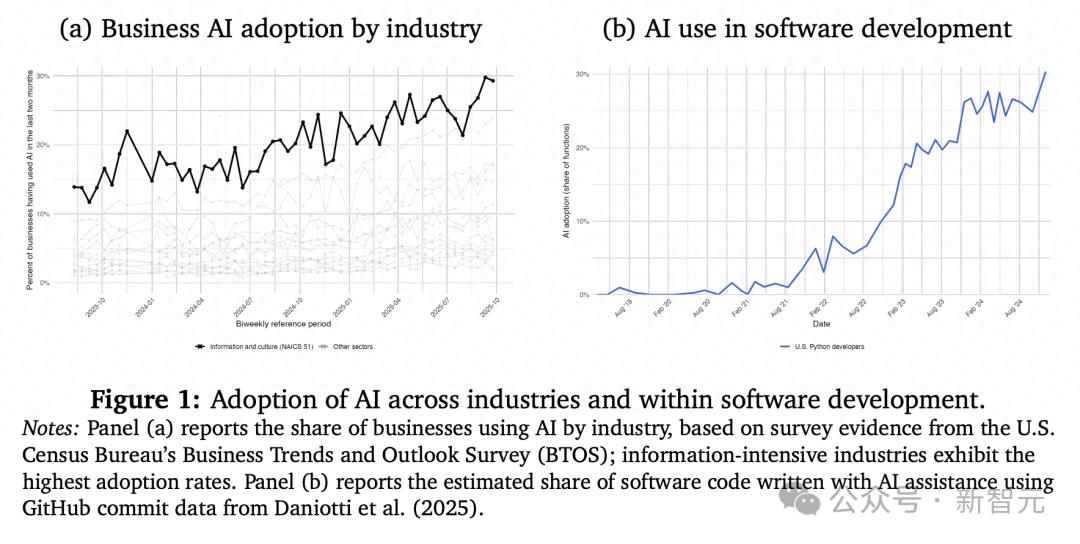
Everything seems to be moving at an unbelievable pace. However, beneath this frenzy, the foundation of the digital world—the open-source community—is cracking.
Recently, a group of economists published a troubling paper titled “Vibe Coding Kills Open Source.”
They used calm data models to point out that the very open-source ecosystem that empowered AI is being buried by AI itself.

Severed Connections
Open-source software is the air of the digital age. You may not feel its presence, but you cannot live without it. From the underlying kernel of Android phones to the databases used for bank transfers and the decoders used while watching videos, all rely on open-source code.
Before Vibe Coding took the world by storm, the open-source world operated on a delicate system of reciprocity: developers contributed code for free in exchange for user attention, reputation, and the subsequent consulting orders or job offers from large companies. This “attention economy” was the heartbeat of open-source.
But the emergence of AI has acted like a sharp scalpel, severing this umbilical cord. The authors of the paper, including Miklós Koren, point out that AI has become an extremely efficient yet cold “intermediary.” When users program through AI, they no longer directly access the open-source project repositories, read documentation, star projects, or ask questions in communities.
AI perfectly “chews up” open-source code and feeds it to users.
Users are satisfied, efficiency has increased, but open-source maintainers receive nothing in return.
The Ghost of Bad Money Driving Out Good
Some may argue that as long as the code runs, the lack of earnings for maintainers is a problem of business models. However, economics teaches us that there is often no such thing as a free lunch.
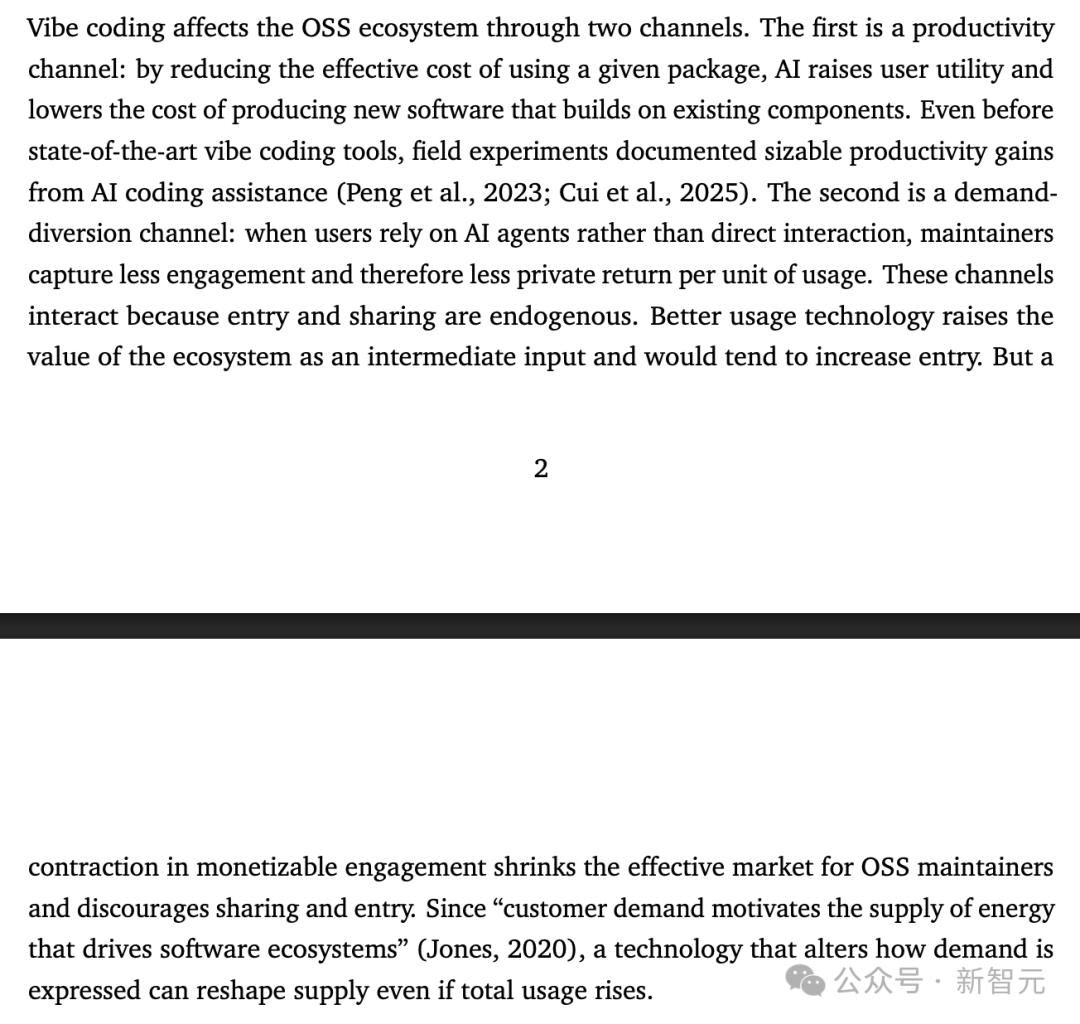
What direction will this mechanism push the industry towards? The research team constructed an economic model revealing two opposing forces:
On one hand, there is the “efficiency temptation.” AI indeed lowers the cost of creating new tools, which should theoretically encourage more innovations.
On the other hand, the more fatal “demand transfer” occurs. With direct access severed, maintainers lose the chance to gain returns from users. As the timeline of the model extends, the harsh extrapolation reveals that once the destructive power of “demand transfer” outweighs the benefits of “efficiency improvement,” the ecosystem will inevitably shrink.
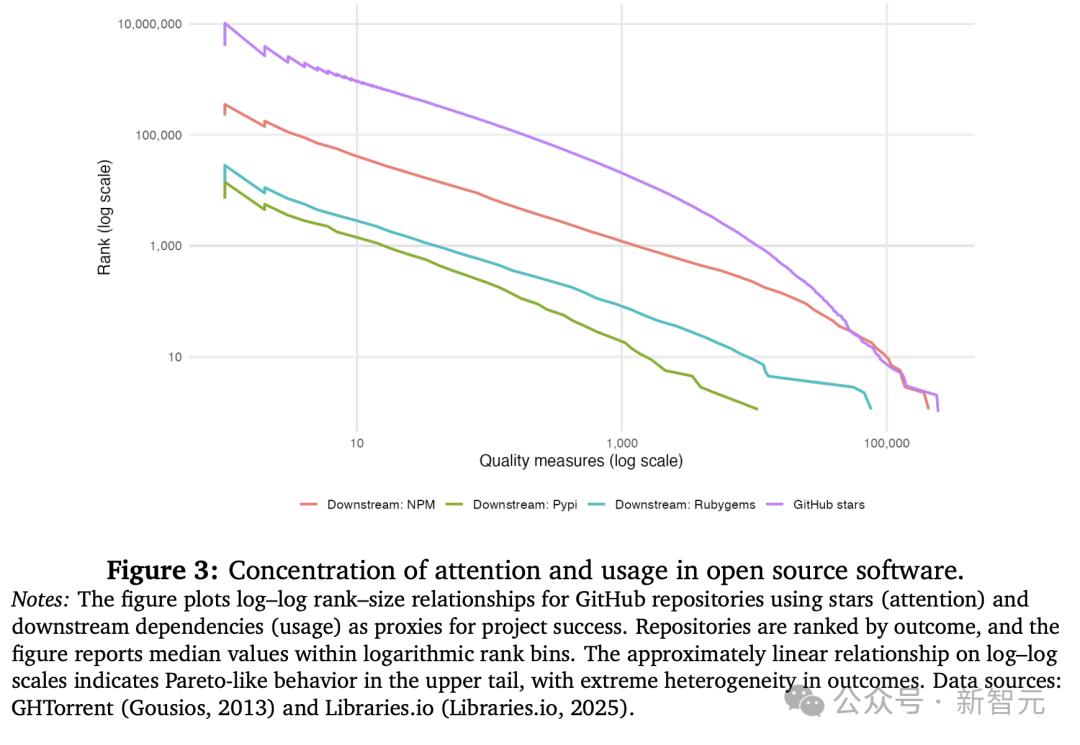
One group consists of a few top project maintainers at the pyramid’s peak, who can barely survive on their substantial existing fame; the other group includes hobbyists who write code purely for fun without caring about returns. The “middle-class” projects, which are of decent quality but require continuous maintenance effort, will largely vanish due to lack of incentives.
The result is that while AI allows us to write code faster, the number of high-quality open-source “building blocks” we can use is decreasing.
The future software ecosystem may become extremely polarized: on one side, a few giants dominating super libraries, and on the other, countless abandoned and unmaintained code ruins.
As the paper states: “When feedback loops accelerate growth, they can also accelerate decline.”
The decline of Stack Overflow serves as another footnote to this crisis. Since the advent of ChatGPT, this largest global Q&A community for programmers has seen its traffic halved.
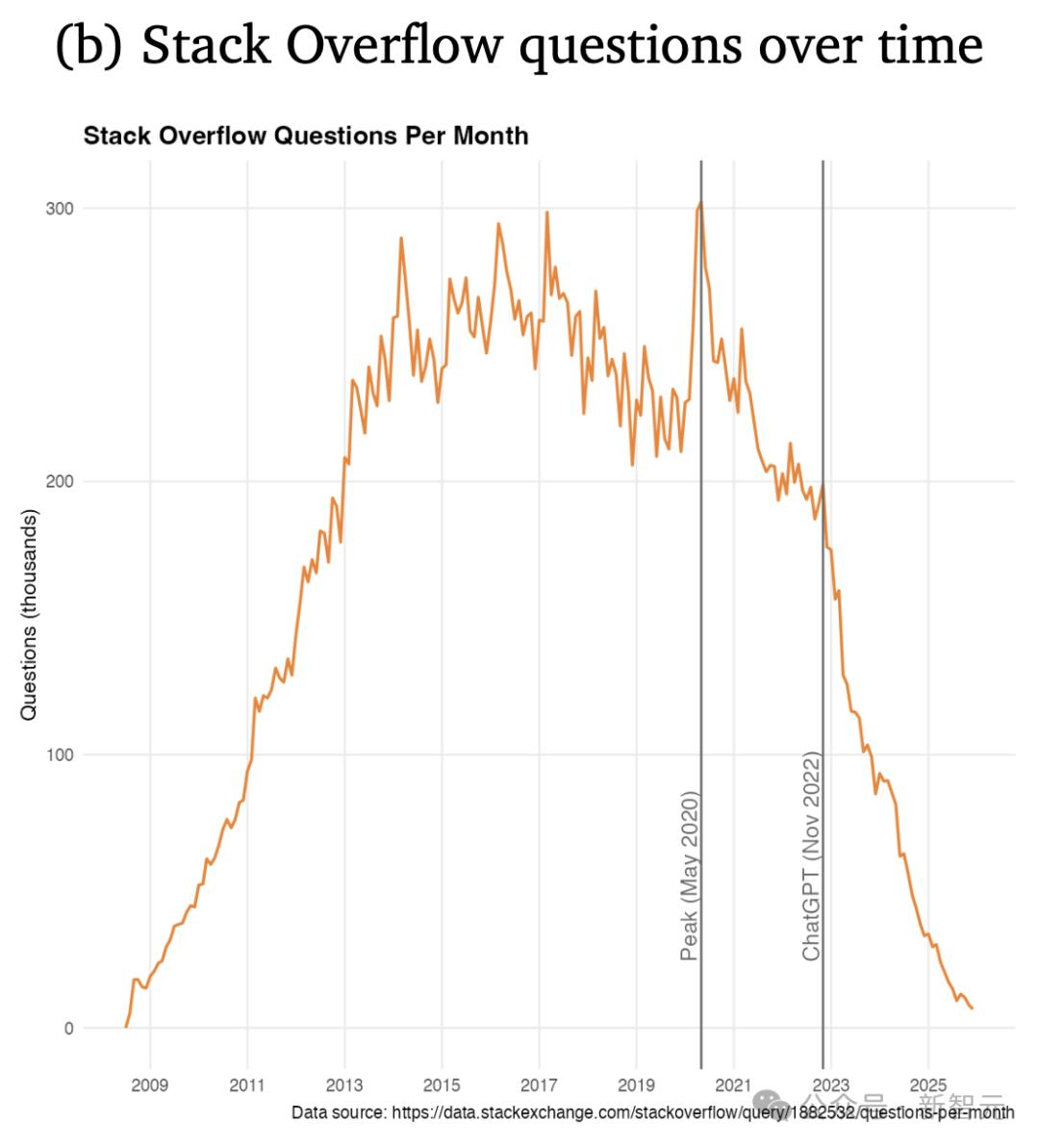
The knowledge crystallized from previous Q&As was once vital for training AI. Now, new questions are no longer publicly discussed but vanish into private AI dialogues. AI is draining the well dry.
It grows by consuming open-source data but, in the process, destroys the soil that produces this data.

What Lies Beyond Code?
Does the story of Vibe Coding sound familiar? This is not just a crisis for programmers; it’s a shared fate for all content creators.
- Journalism: AI searches not only fetch news but also directly generate summaries. Users no longer click links, media lose advertising revenue, and journalists lose their jobs.
- Illustration: AI art can mimic styles honed over a decade in mere seconds, leaving original artists with nothing.
- Paid Knowledge: When all book knowledge is compressed into the parameters of large models, who will still buy that thick textbook?
We are entering an era of “super intermediaries.” AI has monopolized distribution channels, rendering all upstream creators invisible.
The authors of the paper propose a concept similar to “Spotify for Code”: establishing a mechanism where AI pays a small but continuous royalty to code creators when it accesses open-source code.

This sounds wonderful but is fraught with challenges. Who sets the prices? Who monitors it? In this winner-takes-all world, are the giants really willing to share profits?

Conclusion
In 2026, we enjoy unprecedented technological conveniences. With just a voice command, software, articles, and artworks appear out of thin air. We think we have mastered magic, but in reality, we are squandering the legacies left by our predecessors.
The prosperity brought by Vibe Coding resembles a grand overdraft. We are using open-source fuel to stoke the flames of AI. This is indeed a warming feast, but let’s not forget: the hotter the fire, the less fuel remains, and after those willing to bend down and plant trees leave, winter will still be long.
Comments
Discussion is powered by Giscus (GitHub Discussions). Add
repo,repoID,category, andcategoryIDunder[params.comments.giscus]inhugo.tomlusing the values from the Giscus setup tool.